

What Is Structured Cabling and Why Your Business Needs It
Modern businesses rely on fast, reliable connectivity. From computers and phones to security systems, Wi-Fi networks, and cloud services, nearly every part of a company depends on a strong digital infrastructure. At the heart of this infrastructure is structured cabling.
But what exactly is structured cabling, and why is it so important for your business?
Structured cabling is a standardised system of cables, connectors, and hardware that forms the backbone of your business’s IT and communications network. Instead of having individual cables installed randomly for each device or system, structured cabling organises everything into a carefully planned and integrated network.
This system typically supports multiple technologies at once, including:
Data networks and internet connectivity
Telephone and VoIP systems
Wi-Fi access points
CCTV and security systems
Access control and building management systems
By organising all of these services within one structured system, businesses gain a more efficient and reliable network infrastructure.
A properly designed structured cabling system offers several key advantages for businesses of all sizes.
Improved Reliability
Messy or poorly organised cabling can lead to connection issues, network downtime, and difficult troubleshooting. Structured cabling provides a clean and organised network layout, reducing the risk of faults and making the system far more dependable.
Easier Maintenance and Troubleshooting
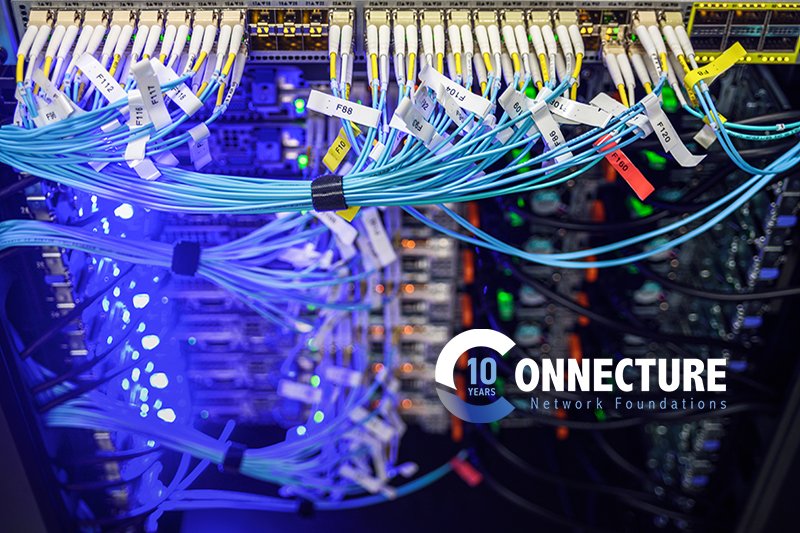
When cables are clearly labelled and installed in a structured layout, IT teams can quickly identify and resolve issues. This reduces downtime and keeps your business running smoothly.
Scalability for Future Growth
As your business grows, you may need to add new workstations, devices, or network equipment. Structured cabling systems are designed with scalability in mind, making it easy to expand your infrastructure without major disruption.
Better Performance
A properly installed structured cabling system ensures optimal signal quality and network speed. This supports high-bandwidth activities such as video conferencing, cloud computing, and large data transfers.
Cost Efficiency Over Time
Although structured cabling requires professional planning and installation, it can save money in the long term. Businesses avoid the ongoing costs of patchwork upgrades, repeated installations, and time-consuming troubleshooting.
Technology will continue to evolve, and businesses need infrastructure that can keep up. Structured cabling provides a future-ready foundation that supports current systems while allowing room for new technologies as your organisation grows.
Whether you're moving into a new office, upgrading your IT network, or expanding your workspace, investing in structured cabling ensures your business has the reliable connectivity it needs to operate efficiently today—and in the future.

