

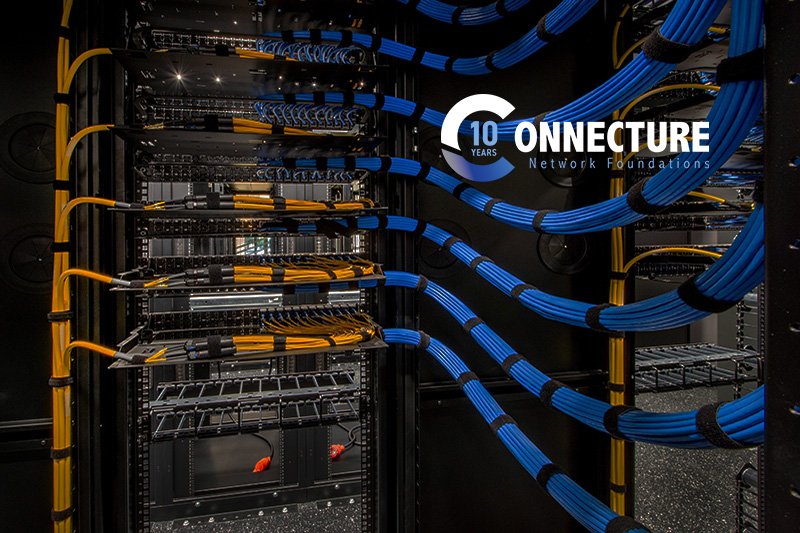
When remote work first became a major part of how we operate, we admit, we thought the biggest challenges would revolve around video calls, collaboration tools, and keeping teams engaged from a distance. And while those things certainly matter, we have come to realise that none of it works without a solid foundation: reliable, well-designed structured cabling.
It’s not the most glamorous topic, but structured cabling has quietly become one of the most important enablers of remote and hybrid work. From our perspective, it’s the backbone that ensures everything else runs smoothly.
It’s easy to assume that because we rely heavily on Wi-Fi, cabling is less relevant than it used to be. In reality, the opposite is true. Every wireless connection ultimately depends on a wired infrastructure behind the scenes. Access points, routers, and servers all rely on structured cabling to deliver consistent performance.
In a remote work environment, expectations are high. People need seamless video conferencing, fast access to cloud platforms, and uninterrupted communication. Without robust cabling supporting network hardware, those expectations quickly turn into frustrations, lag, dropped calls, and slow file transfers.
As more organisations adopt hybrid models, office spaces are being reconfigured to support flexible working. Hot desks, collaboration zones, and meeting rooms all need reliable connectivity.
From what we have seen, structured cabling plays a critical role in making these transitions successful. A well-planned system allows businesses to adapt layouts without constantly reworking their infrastructure. It provides the flexibility to scale up, rearrange, or integrate new technologies without major disruption.
Even though remote employees are working from home, the central office or data centre remains the hub of operations. That’s where applications are hosted, data is processed, and security is managed.
If the cabling infrastructure at that core is outdated or poorly designed, it creates a bottleneck that affects everyone, no matter where they’re working from. We have seen situations where upgrading structured cabling dramatically improved remote user experiences, simply because it removed hidden limitations within the network.
One of the biggest lessons we have learned is that structured cabling isn’t just about solving today’s problems, it’s about preparing for what comes next.
Bandwidth demands continue to grow. Video is becoming higher quality, applications are more data-intensive, and businesses are increasingly relying on cloud services. Investing in high-quality cabling systems ensures that organisations aren’t constantly playing catch-up as technology evolves.
It also makes adopting new solutions like advanced collaboration tools or IoT devices far more straightforward.
Remote work depends heavily on uptime. When systems go down, teams can’t simply walk over to IT for help, they’re often left waiting, disconnected, and unable to work.
Structured cabling reduces the risk of network failures by providing a stable, organised infrastructure. Proper installation, labelling, and management make troubleshooting faster and more efficient. In my experience, that reliability is invaluable, especially when teams are distributed.
Security is another area where structured cabling plays an important role. A well-designed physical network makes it easier to control access, segment traffic, and protect sensitive data.
With remote work increasing the number of access points into a network, having a strong physical foundation helps support broader cybersecurity strategies. It’s one of those behind-the-scenes factors that strengthens the entire system.
If there’s one thing that our clients can really appreciate, it’s that structured cabling is far more than just wires and connections, it’s a strategic asset. It underpins the tools, platforms, and systems that remote teams rely on every day.
As businesses continue to embrace remote and hybrid work, investing in a reliable, scalable cabling infrastructure isn’t optional, it’s essential. From our perspective, getting this foundation right makes everything else possible.

